Essential Takeaway
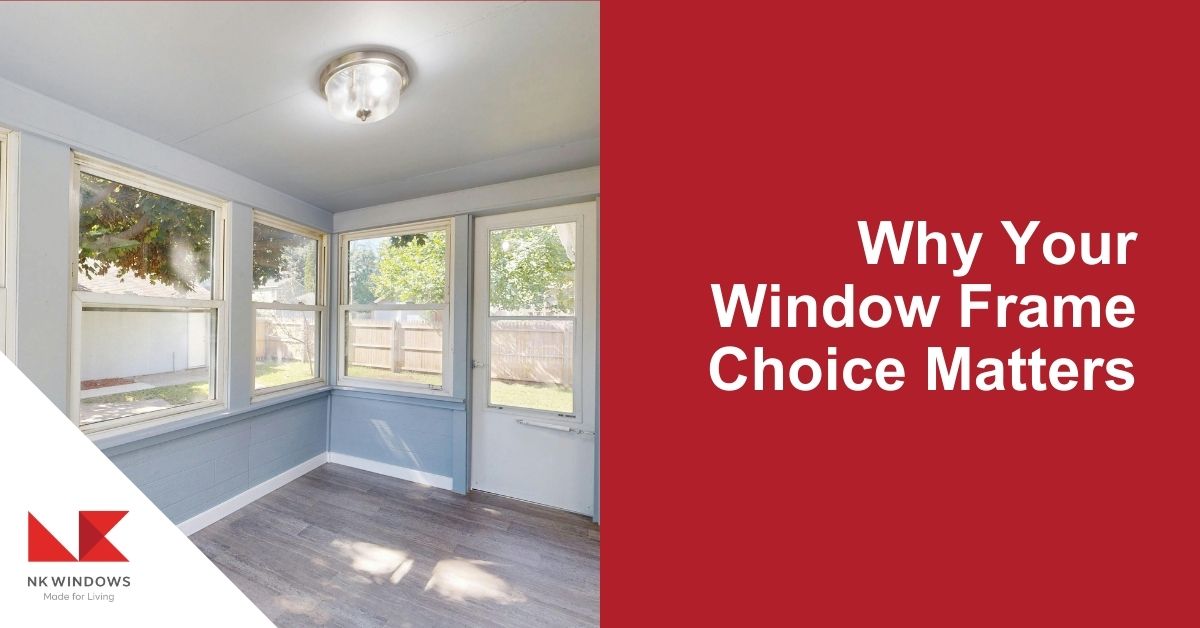
Your window frame material has a major effect on how long your windows last, how warm your home stays in winter, and how much you spend on heating and cooling. Among all frame types, uPVC gives New Zealand homes the best all-round mix of durability, insulation, and long-term value, especially in colder or coastal climates.
Quick Answer: What Each Frame Type Does Best
| Frame Type | Durability | Energy Efficiency | Main Note |
| uPVC | Excellent | Excellent | Best overall performance and low upkeep |
| Aluminium | Excellent | Moderate | Strong but needs a thermal break |
| Timber | Good | Good | High insulation but needs regular care |
| Composite | Excellent | Excellent | Premium option with strong thermal benefits |
| Fibreglass | Excellent | Excellent | Stable and efficient but higher cost |
Why Window Frames Matter
A high-performance window relies on two parts working together, the glass unit and the frame. Frames control airflow, thermal transfer, moisture protection and structural strength. A poor frame can undo the benefits of double or triple glazing which is why choosing the right material matters for New Zealand’s varied climate zones.
How Frames Affect Durability?
Durability depends on how well the frame handles New Zealand’s climate conditions like moisture, salt air, UV exposure and temperature changes.
Moisture Resistance
- uPVC remains stable in rain, coastal air and humidity.
- Timber performs well but needs regular treatment to avoid rot and mould.
- Composite and fibreglass offer strong stability.
Weather Performance
- uPVC does not corrode and handles heavy rain well.
- Aluminium is strong but can dent, unbroken frames are less thermally stable.
- Timber may warp if moisture builds up.
New Zealand Building Guidance
- BRANZ (Building Research Association of New Zealand) – highlights moisture as the main threat to durability in NZ buildings, making rot-proof materials (like uPVC and aluminium) more reliable long-term.
- MBIE Building Performance – outlines durability requirements under the NZ Building Code (Clause B2), with non-corroding, low-maintenance materials meeting longer performance expectations.
- Consumer NZ – lists frame materials and identifies uPVC as a long-lasting, low-maintenance option suitable for NZ climates.
What this means for homeowners:
In terms of moisture resistance, corrosion protection and minimal upkeep, uPVC consistently outperforms timber and offers higher thermal stability than basic aluminium frames.
How Frames Affect Energy Efficiency?
New Zealand homes lose a significant amount of heat through windows especially in colder regions. The frame material plays a major role in this.
Thermal Insulation
- uPVC has the lowest thermal conductivity of common frame materials, helping keep homes warm in winter and cool in summer. EECA guidance notes that choosing frames with low thermal conductivity is one of the most effective ways to reduce heat loss in New Zealand homes.
- Aluminium conducts heat easily unless it includes a thermal break. BRANZ reports that many New Zealand homes lose a significant amount of heat through frames that transfer heat too quickly.
- Timber insulates well, but its performance drops if the frame absorbs moisture or is not looked after. BRANZ identifies moisture as a major issue that affects the stability and efficiency of timber frames in New Zealand climates.
- Composite and fibreglass provide strong insulation, Building Performance report confirms that materials with low thermal conductivity are better suited for meeting New Zealand energy efficiency standards, although these options cost more.
Airtightness
- uPVC frames achieve some of the highest levels of airtightness, which supports EECA advice that airtight frames are important for reducing heating demand in New Zealand homes.
- Timber expands and contracts with changes in humidity, which can weaken seals and allow air movement over time. BRANZ has recorded this as a common issue across different New Zealand climate zones.
- Poorly fitted aluminium frames can allow draughts, and guidance from Building Performance highlights that good installation and airtightness are essential for meeting the requirements of the H1 energy efficiency standard.
Frame by Frame Breakdown
Here is a quick and simple comparison of the main window frame materials. This makes it easy to see why uPVC is often the best choice for New Zealand homes thanks to its strong insulation, long life, and very low maintenance.
Window Frame Comparison Table
| Frame Type | Best For | Pros | Cons |
| uPVC | Most NZ homes | Top insulation. Airtight. No rot. No painting. Best value. | Extra support needed for very large windows |
| Aluminium | Modern styles | Very strong. Slim look. Lower cost compared to uPVC | Lower insulation. Feels cold. |
| Timber | Character homes | Natural insulation. Classic look. | Needs upkeep. Can rot or warp in NZ conditions |
| Composite | Premium builds | Very durable. Good insulation. Low maintenance. | Expensive |
| Fibreglass | High performance | Stable. Strong insulation. | Expensive. Limited NZ supply |
How to Choose the Best Frame for Your Home
Most homeowners don’t know where to start. This simple framework makes the decision clear.
Choosing the right frame comes down to what you value most in your home: comfort, cost, and long-term reliability.
If energy efficiency is your top priority:
- uPVC provides the best balance of insulation and affordability.
If you want a frame that lasts with almost no maintenance:
- Choose uPVC or composite.Both perform well across NZ’s wet, windy and coastal conditions.
If you live near the coast:
- Choose uPVC, it handles salt air with zero corrosion.
If you want a architectural look:
- Choose aluminium, but only if it includes a thermal break.
uPVC is available in sleek profile options too.
If you want the strongest value for money:
- Choose uPVC the lowest whole-life cost, strong insulation and long-term durability make it the most practical choice for NZ homes.
Summary
The frame you choose affects warmth, comfort, maintenance and long-term value. While every material has strengths, uPVC stands out in New Zealand as the best all-round performer. It delivers excellent insulation, resists moisture and salt air, requires almost no maintenance, and meets NZ energy-efficiency expectations more easily than timber or basic aluminium.
For homeowners wanting a durable, future-proof, energy-efficient home, uPVC remains the smartest and most balanced choice.