
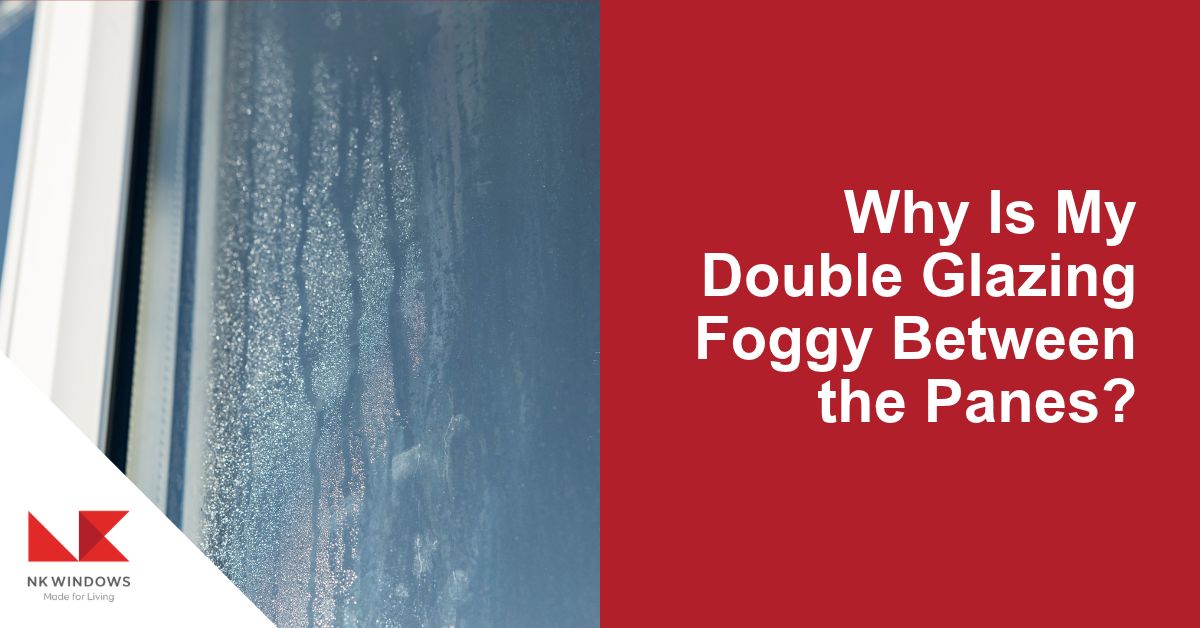
You try to wipe the fog off your window, but your cloth hits dry glass. The moisture isn’t inside or outside; it’s trapped right in the middle.
When fog or water droplets form between the two panes of your double glazing, the airtight seal around the glass unit has failed. It won’t clear up on its own.
The good news? You probably don’t need to replace the whole window. In most cases, we can simply swap out the sealed glass unit while leaving your existing frame untouched.
Below, we explain how to diagnose your window condensation, why seals break down over time, and your best options for fixing it.
Inside, outside or between the panes? How to tell
Not all window condensation signals a problem. In fact, failed seals are rare in modern double glazing.
The two most common condensation issues we see during service calls are moisture on the outside of the glass and a narrow strip of condensation along the bottom of the inside pane.
Neither means your double glazing has failed. The moisture’s location tells you what’s going on and whether you need to take action.
The Quick Cloth Test: Wipe both sides of the glass with a dry cloth. If the fog remains, it’s likely trapped between the panes.
| Where you see it | What it means | What to do |
| Outside surface of the glass | Your double glazing is insulating well. The Low E coating helps keep heat inside, leaving the outer pane cool enough for moisture to form. | Nothing. It usually clears as the glass warms up. |
| Inside surface (room side) | Warm, moist indoor air is meeting cooler glass, often along the bottom edge. | Improve ventilation, reduce indoor moisture or increase the room temperature. |
| Between the panes | The sealed glass unit has likely failed, allowing moisture inside. | Have the glass unit assessed for replacement. |
If your condensation sits on the outside or room side of the glass, our article on morning window condensation explains what causes it and how to manage it.
How a sealed double glazing unit works
A double glazing unit – also known as an insulated glass unit, consists of two panes of glass held apart by a spacer bar around the perimeter. The gap between the panes is sealed airtight and filled with dry air or an insulating gas like argon.
Tucked inside that spacer bar is a desiccant, a specialised drying agent that absorbs any lingering moisture trapped during manufacturing.
That dry, sealed gap gives double glazing its insulating capability. It slows heat transfer through the window, keeping your home warm and the inner pane close to room temperature. Our glazing guide covers the different glass options in more detail.
When the edge seal fails, moist air gradually creeps into the gap. The desiccant absorbs this moisture at first, but once saturated, the excess water condenses on the cold inner surfaces as visible fog or droplets.
Why does double glazing fog up between the panes?
1. Age and natural wear
Seals don’t last forever. Over time, the sealant around the unit’s edge gradually degrades, and older units are naturally most vulnerable.
2. Sun exposure and thermal expansion
During the day, solar heat warms the trapped air or gas inside the unit, causing it to expand. At night, it cools and contracts. This daily expansion cycle puts continuous stress on the edge seal, so windows in full sun work hardest.
3. Water pooling around the glass
The edge seal needs to stay dry to preserve its structural integrity. If frame drainage slots become clogged with dirt or debris, standing water around the base of the glass unit slowly degrades the sealant.
4. Incorrect installation or glazing
Glass units rest on small plastic spacers (packers) inside the frame that keep them square and support their weight. If these packers are the wrong size, slip out of position, or the unit is forced, constant stress points can cause the seal to fail early.
5. Physical damage
A sharp impact, a high-pressure washer aimed at the frame edges, or harsh chemical cleaners can damage the seals and allow moisture inside.
Is a failed seal a problem?
A failed seal won’t cause structural damage, but leaving it unaddressed will affect your home’s comfort and appearance. Here is why it’s best addressed early:
- Reduces insulation performance: A failed seal can let insulating gas escape and moisture enter. This reduces the unit’s thermal performance and can affect your energy savings, although the comfort difference may not be immediately noticeable.
- Spoils your view: Trapped condensation creates a permanent haze, making rooms look tired and blocking clear sightlines.
- Causes permanent glass staining: Trapped moisture leaves mineral deposits on the inside of the glass over time, creating permanent stains that won’t wipe away.
- Worsens over time: A compromised seal lets more moisture accumulate with every seasonal shift.
How to fix condensation between double glazing
Replace the glass unit
This is the most reliable, long-term solution. A new sealed unit is manufactured to match your exact dimensions and fitted directly into your existing frame. It restores full glass clarity and the thermal insulation you paid for.
It also offers a convenient opportunity to upgrade. If your original windows use standard double glazing, upgrading to Low-E glass with argon gas will make your room noticeably warmer.
Demisting services
Some providers demist units by drilling small holes in the glass, drying out the gap, and resealing the holes. While this temporarily clears visible fog, it does not restore the original airtight seal or replace lost argon gas. Think of it as a temporary cosmetic fix, not a lasting repair.
When a full window replacement makes sense
If multiple units fail at once or your frames are deteriorating, swapping individual glass units may only patch a broader issue.
For instance, old aluminium frames conduct heat readily, so even with new glass, cold frames will still generate room-side condensation.
In those situations, it pays to weigh up whether to replace or retrofit and review how frame materials affect overall durability and warmth.
Is it covered by warranty?
NK Windows products cover glass for 10 years, subject to our glass suppliers’ standard conditions. Review the specifics on our guarantees page.
If you notice fogging in your NK windows, contact us promptly. Submit warranty claims in writing within 7 days of noticing the defect. You can book a service call, and our technicians will assess the unit.
For windows supplied by another company, check their original warranty terms first, as glass units frequently carry independent coverage.
How to make your double glazing last longer
A well-maintained sealed unit can last for years. A few simple practices help extend its life:
- Clear frame drainage slots: Inspect the small drainage slots at the bottom of your frames every few months and remove any accumulated dirt.
- Clean gently: Use warm, soapy water and a soft cloth. Avoid abrasive cleaning agents or strong solvents near seals and gaskets. Follow our step-by-step guide to cleaning uPVC window frames.
- Avoid high-pressure washing: Don’t use high-pressure water on glass edges, as it can bypass perimeter seals.
- Address early damage quickly: Have glass edge chips or loose frame beading inspected before moisture penetrates the seal.
For comprehensive maintenance guidance, refer to our aftercare advice.
How long should double glazing last?
Modern double glazing is built to last. Under the New Zealand Building Code, insulated glass units have a minimum durability requirement of 15 years.
In practice, you should expect a quality glass unit to last much longer. A well-made and correctly installed unit can last 30 years or more.
Over time, some of the argon gas between the panes may escape. This can reduce the glass unit’s thermal performance by around 15%, although you’re unlikely to notice much difference in your home’s comfort.
Losing some argon gas doesn’t automatically mean you need to replace your window. The main warning sign is persistent condensation trapped between the panes.
Frequently asked questions
Will condensation between the panes go away on its own?
No. While moisture levels may fluctuate with changing weather—appearing on chilly mornings and clearing in afternoon heat—the underlying seal remains broken. Replacing the glass unit is the only permanent solution.
Can you fix foggy double glazing without replacing it?
Demisting services clear visible moisture by drilling and drying the gap, but they cannot restore the airtight seal or argon gas. Replacing the sealed unit is required to recover full thermal efficiency.
How long should a double glazing seal last?
A high-quality unit, installed correctly and maintained regularly, should last for many years. Solar exposure, installation precision, and proper frame drainage all influence seal longevity.
Does a failed seal make my home colder?
Yes. When insulating gas escapes and moist air fills the gap, the window loses heat faster, reducing the room’s overall energy efficiency.
Can you replace the glass in uPVC windows?
Yes. You can replace the sealed glass unit in a uPVC window independently of the frame. We remove the compromised unit, install a custom-sized replacement, and leave the original frame in place.
Ready to clear up your view?
If your double glazing has started misting between the panes, our team can evaluate your windows and guide you to the best repair or upgrade option. Get in touch today or visit your local NK Windows showroom.